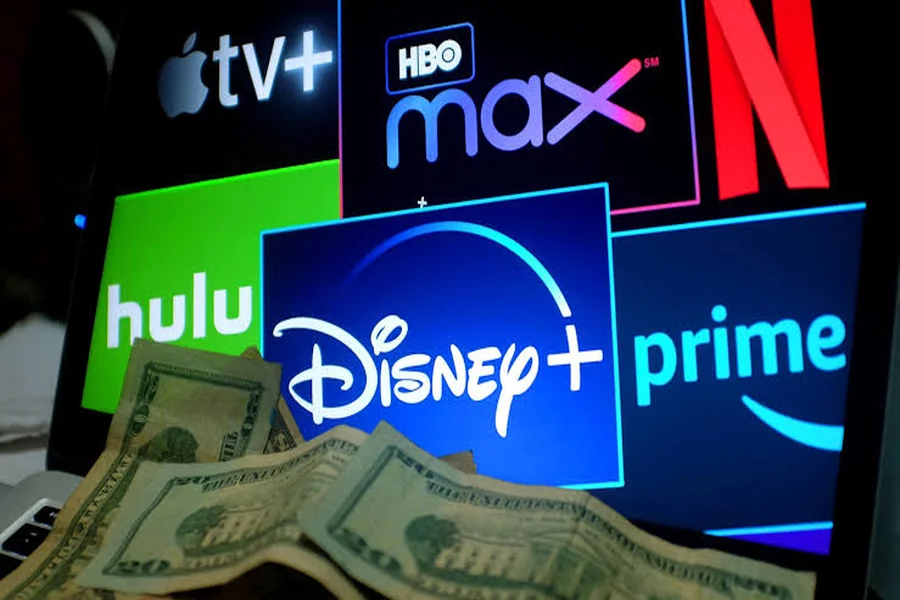
Choosing the Right Streaming Service for Your Needs
The way people watch movies, series, documentaries, and live entertainment has changed dramatically in recent years. Traditional television is no longer the only option for enjoying quality content, as streaming services now provide flexible access to thousands of titles across multiple devices. A reliable platform can turn a regular evening into an exciting entertainment experience without the limitations of fixed schedules or cable packages.
The Top Streaming Platforms Guide helps viewers understand what makes a streaming service valuable and how different platforms compare. From exclusive original shows to affordable subscription plans, every service has unique advantages. Choosing the right option depends on personal preferences, budget, content interests, and the type of viewing experience someone wants.
Some viewers prefer platforms with large movie libraries, while others focus on original series, sports coverage, family-friendly programming, or international content. A service that works perfectly for one person may not be the best choice for another. Understanding important features before subscribing can help users make smarter decisions.
One of the biggest advantages of modern streaming is convenience. Most platforms allow users to watch content whenever they want, pause and resume playback, create personal profiles, and receive recommendations based on viewing habits. These features make entertainment more personalized and accessible than ever before.
Another important factor is device compatibility. The best streaming services usually support smart televisions, smartphones, tablets, laptops, and gaming consoles. A smooth experience across different devices allows users to enjoy their favorite programs wherever they are.
Key Features That Make Streaming Platforms Stand Out
A streaming platform’s content library is often the first thing people consider. A strong catalog with popular films, trending series, documentaries, and exclusive releases can determine whether a subscription feels worthwhile. Many platforms invest heavily in original productions to attract and retain audiences.
Original content has become one of the biggest differences between streaming providers. Exclusive shows and movies encourage viewers to choose one service over another. Some platforms focus on high-budget dramas and award-winning productions, while others specialize in comedy, animation, reality programs, or regional entertainment.
Video quality is another essential feature. Many users now expect high-definition streaming, including 4K resolution and high dynamic range options. A platform that offers clear visuals and reliable playback can significantly improve the viewing experience, especially on larger screens.
Sound quality also plays an important role. Support for advanced audio formats can make movies and series feel more immersive. For viewers with home theater systems, strong audio performance may influence which service they prefer.
User experience is equally important. A simple interface, fast search tools, personalized recommendations, and easy navigation can make a platform more enjoyable. Complicated menus or slow performance may frustrate users even when the content selection is impressive.
Subscription flexibility has also become a major consideration. Many services provide different plans based on video quality, number of users, and additional features. Some offer ad-supported options at lower prices, while others provide premium plans with extra benefits. Comparing these choices helps viewers find a balance between cost and value.
Comparing Popular Streaming Options and Entertainment Choices
Different streaming platforms serve different audiences. Some are known for massive entertainment libraries, while others focus on specific types of content. A viewer interested in blockbuster movies may have different priorities from someone who mainly watches documentaries, sports, or children’s programs.
Large general-purpose streaming services often provide a wide mix of genres, making them suitable for households with different preferences. They typically include drama, comedy, action, romance, documentaries, and family content. These platforms are convenient because one subscription can satisfy multiple viewers.
Specialized services can also be valuable. Some focus on classic films, independent cinema, anime, international shows, or live events. For dedicated fans, a smaller platform with highly targeted content may offer more satisfaction than a larger service with a broader but less focused catalog.
Pricing is another area where platforms compete. Monthly subscription costs vary, and users should consider how often they watch content before deciding if a service is worth keeping. A cheaper plan may be enough for occasional viewers, while frequent users may benefit from premium features.
Sharing options and account management tools can affect the overall value of a subscription. Many households appreciate having separate profiles, parental controls, and personalized recommendations. These features help different users maintain their own viewing preferences.
Internet requirements should not be overlooked. Streaming quality depends on connection speed and network stability. Even the best platform may provide a poor experience if buffering problems occur frequently. Users should consider their internet setup when choosing higher-quality streaming options.
The future of streaming is likely to include more personalization, improved technology, and expanded content choices. Artificial intelligence recommendations, interactive programming, and better accessibility features may continue changing how audiences consume entertainment.
Tips for Getting the Most Value From Streaming Subscriptions
Managing multiple streaming subscriptions can become expensive if users do not regularly review their choices. Many people subscribe to several services but only actively use one or two. Checking viewing habits every few months can help eliminate unnecessary costs.
Taking advantage of free trials or promotional offers can be useful when available. Trying a platform before committing allows users to evaluate content quality, interface design, and overall experience. However, it is important to remember cancellation dates to avoid unwanted charges.
Rotating subscriptions is another practical approach. Instead of maintaining every service throughout the year, viewers can subscribe when a specific show, movie collection, or event becomes available. This strategy allows access to different libraries while controlling expenses.
Using available features can also improve the experience. Creating watchlists, adjusting playback settings, setting parental controls, and customizing profiles can make daily viewing more convenient. Many users only use basic features and miss tools designed to improve their experience.
Families should pay attention to safety and content management features. Parental controls allow adults to manage what younger viewers can access. Separate profiles also prevent recommendations from becoming mixed between different users.
Accessibility options are increasingly important as well. Features such as subtitles, audio descriptions, and adjustable text settings help more people enjoy digital entertainment comfortably. A platform that supports accessibility creates a better experience for a wider audience.
Ultimately, the best streaming choice is not always the platform with the largest library or the most expensive plan. The right service is the one that matches a viewer’s habits, interests, and budget while providing reliable quality.
FAQs
What is the best way to choose a streaming platform?
The best way to choose a streaming platform is to compare content libraries, pricing, device support, video quality, and features based on personal entertainment needs.
How many streaming services should a person subscribe to?
The ideal number of streaming services depends on viewing habits and budget, but many users benefit from choosing only platforms they regularly use.
Are streaming platforms better than traditional television?
Streaming platforms offer more flexibility and on-demand access, while traditional television may still be useful for live channels and scheduled programming.
Do all streaming services require high-speed internet?
Most streaming services work best with stable internet connections, especially when watching high-definition or 4K content.
Can streaming subscriptions be shared with family members?
Many streaming platforms allow account sharing through multiple profiles or user options, although specific rules vary by service.
Why do streaming platforms create original content?
Streaming platforms create original content to attract subscribers, build unique libraries, and compete with other entertainment providers.
Are cheaper streaming plans worth considering?
Cheaper streaming plans can be worthwhile for viewers who want lower costs and do not mind limitations such as advertisements or reduced features.
Final Thought
Streaming has transformed entertainment by giving viewers more control, variety, and convenience than traditional viewing methods. With countless options available, selecting the right service requires understanding personal preferences and comparing important features.
A thoughtful approach can help users avoid unnecessary subscriptions and choose platforms that provide genuine value. Whether someone enjoys movies, television series, sports, documentaries, or family programming, the right streaming service can create a more enjoyable entertainment experience. The best choice is the one that fits individual needs while delivering quality content, reliable performance, and long-term satisfaction.