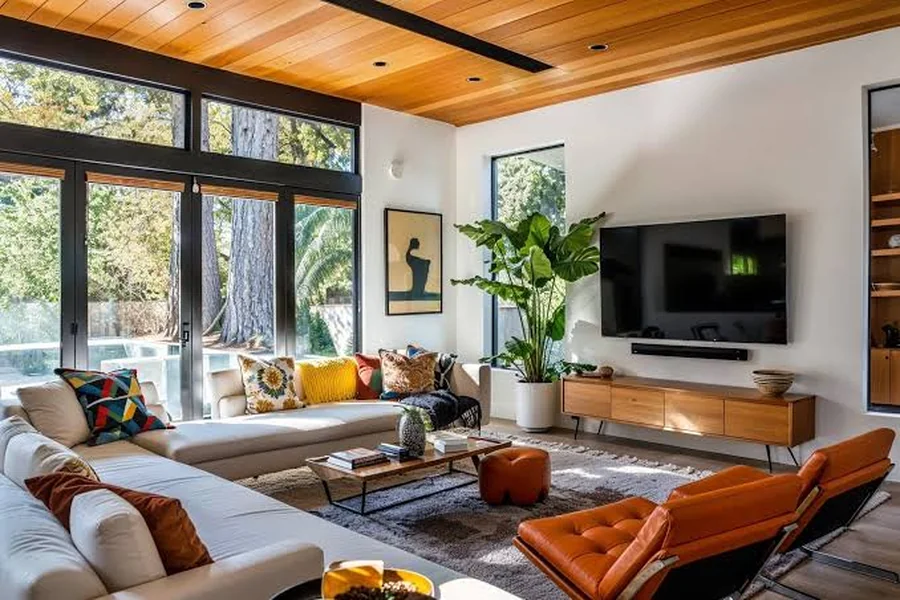
Creating a Home That Reflects Your Lifestyle
Home Improvement Design Inspiration can transform ordinary rooms into personalized spaces that feel comfortable, stylish, and practical. A well-designed home is not only about appearance; it is also about creating an environment that supports your daily routines, reflects your personality, and improves the way you use each area. Whether you are renovating a single room or planning a complete makeover, thoughtful design choices can make a lasting difference.
Modern homeowners are increasingly looking for solutions that combine beauty with functionality. Instead of simply following trends, many people are choosing designs that match their lifestyles. A busy family may need durable materials and smart storage, while someone working from home may prioritize a peaceful office area with better lighting and organization.
One of the best ways to begin a home improvement project is by identifying what is missing from your current space. A room may need more natural light, improved flow, additional storage, or a more inviting atmosphere. Understanding these needs helps create a design plan that feels intentional rather than temporary.
Small changes can often have a major impact. Updating wall colors, replacing outdated fixtures, adding decorative elements, or rearranging furniture can refresh a space without requiring a large investment. The key is selecting improvements that bring both visual appeal and everyday value.
Popular Design Ideas for Modern Homes
Modern home improvement focuses on creating spaces that are open, efficient, and comfortable. One popular approach is embracing flexible layouts that allow rooms to serve multiple purposes. For example, a dining area can become a workspace during the day, or a guest room can include storage and entertainment features for added usefulness.
Natural materials continue to influence many interior styles. Wood, stone, metal, and natural fabrics create warmth and texture while helping a home feel connected to the outdoors. Adding wooden accents, indoor plants, or earthy colors can create a calming atmosphere that feels timeless.
Lighting is another important element in successful home design. A combination of ambient, task, and accent lighting can completely change the mood of a room. Large windows, mirrors, and lighter color palettes can also make spaces appear brighter and more spacious.
Kitchens and bathrooms remain some of the most popular areas for improvement because they add comfort and value to a home. Modern kitchen upgrades often include better storage solutions, efficient appliances, and attractive surfaces. Bathroom improvements may involve updated fixtures, improved layouts, and relaxing features that create a spa-like feeling.
Sustainable design has also become a major focus. Energy-efficient appliances, eco-friendly materials, and smart home technology allow homeowners to reduce waste while creating convenient living environments. These choices can benefit both the planet and long-term household expenses.
Budget-Friendly Ways to Upgrade Your Space
A beautiful home does not always require a large renovation budget. Many affordable improvements can create noticeable changes when planned carefully. Painting is one of the simplest ways to refresh a room. A new color scheme can make a space feel larger, warmer, brighter, or more modern depending on the chosen tones.
Updating hardware is another effective option. Replacing cabinet handles, drawer pulls, faucets, and light fixtures can give older spaces a refreshed appearance without major construction work. These small details often create a polished look that feels more expensive than it actually is.
Furniture arrangement can also influence how a room feels. Removing unnecessary pieces, creating better walking paths, and highlighting key features can improve comfort and visual balance. Adding rugs, cushions, artwork, or curtains provides opportunities to introduce color and personality.
Storage improvements are especially valuable in smaller homes. Built-in shelves, multipurpose furniture, hidden storage areas, and organized closets help reduce clutter while making rooms easier to enjoy. Good storage design allows homeowners to maintain a clean appearance without sacrificing practicality.
DIY projects can also bring creativity into home improvement. Creating a feature wall, restoring old furniture, installing decorative panels, or making custom accessories can add unique character. However, larger projects involving electrical work, plumbing, or structural changes should be handled carefully and professionally when necessary.
Planning a Successful Home Transformation
A successful renovation begins with a clear plan. Before purchasing materials or starting construction, homeowners should consider their goals, budget, timeline, and future needs. A well-prepared plan reduces unexpected costs and helps maintain focus throughout the project.
Creating an inspiration collection can make the planning process easier. Photos, color samples, material ideas, and layout examples can help identify patterns in personal preferences. This collection can serve as a guide when selecting finishes, furniture, and decorative elements.
Choosing the right balance between style and practicality is essential. A beautiful room that does not function well may become frustrating over time. Consider how each space will be used, who will use it, and what features will provide the greatest long-term benefit.
Quality should also be considered when selecting improvements. Investing in durable flooring, reliable fixtures, and well-made furniture can reduce future maintenance needs. While lower-cost options may seem attractive initially, better-quality choices often provide more value over time.
Personal touches make a home feel complete. Family photos, handmade decorations, travel memories, favorite colors, and meaningful objects can add warmth that cannot be achieved through trends alone. The best designs combine current ideas with elements that tell a personal story.
FAQs
What is the best way to start a home improvement project?
The best way to start is by identifying your needs, setting a realistic budget, and creating a clear plan before making major decisions.
How can I improve my home without spending too much money?
You can improve your home affordably by updating paint colors, changing fixtures, improving storage, rearranging furniture, and adding simple decorative touches.
Which rooms usually provide the most value after renovation?
Kitchens and bathrooms often provide strong value because improvements in these areas can increase comfort, functionality, and overall home appeal.
How do I choose a design style for my home?
Choose a design style by considering your lifestyle, favorite colors, preferred materials, and the atmosphere you want each room to create.
Are sustainable home improvements worth considering?
Sustainable improvements are worth considering because they can reduce energy use, lower long-term costs, and create healthier living spaces.
Should I hire professionals for home renovations?
Professionals are recommended for complex projects involving structural changes, electrical systems, plumbing, or work that requires specialized skills.
Final Thought
Creating a beautiful home is a process that combines creativity, planning, and personal expression. The best Home Improvement Design Inspiration comes from understanding how a space should feel and function rather than simply copying popular styles. By focusing on practical improvements, thoughtful details, and designs that match your lifestyle, you can create a home that remains comfortable and appealing for years to come.









2 thoughts on “Home Improvement Design Inspiration for Modern Spaces”