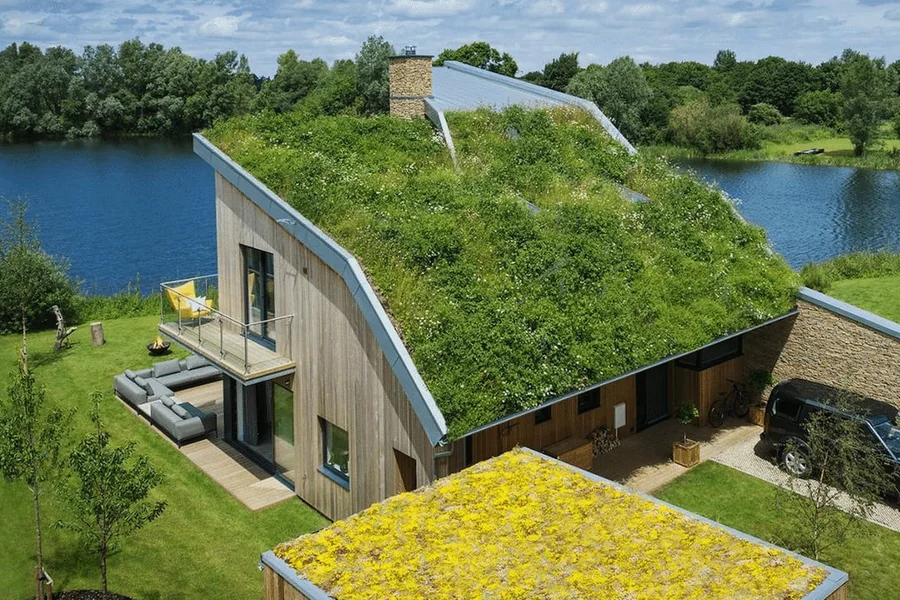
Creating a comfortable home does not have to come at the expense of the environment. Many homeowners are now choosing upgrades that improve efficiency, reduce waste, and support a healthier lifestyle. Sustainable home improvement ideas focus on making thoughtful changes that benefit both the household and the planet while also adding long-term value to the property.
Sustainable improvements can range from small lifestyle adjustments to larger renovation projects. Simple updates such as switching to energy-efficient lighting or improving insulation can make a noticeable difference. Bigger changes, including installing renewable energy systems or choosing eco-friendly building materials, can transform how a home uses resources.
A sustainable approach to home improvement is not only about protecting nature. It can also help reduce utility costs, improve indoor comfort, and create spaces that are more durable over time. By planning carefully and selecting responsible solutions, homeowners can build homes that are practical, beautiful, and environmentally conscious.
Energy-Efficient Upgrades That Reduce Consumption
One of the most effective ways to create a sustainable home is by improving energy efficiency. Homes that use less energy place lower demands on natural resources and often provide significant savings on monthly bills.
Replacing traditional bulbs with LED lighting is an easy starting point. LED lights use less electricity, last longer, and produce less heat compared to older lighting options. Installing smart lighting systems can further reduce energy use by allowing homeowners to control when and where lights operate.
Improving insulation is another valuable upgrade. Proper insulation helps maintain indoor temperatures by keeping heat inside during colder months and preventing excess heat from entering during warmer seasons. This reduces the need for constant heating and cooling, making the home more comfortable while lowering energy consumption.
Energy-efficient windows are also an important consideration. Double-glazed or well-sealed windows reduce drafts and help maintain stable indoor temperatures. Although the initial investment may be higher, these improvements can provide long-term benefits through reduced energy expenses and improved comfort.
Renewable energy solutions, such as solar panels, are becoming increasingly popular among homeowners. Solar energy allows properties to generate cleaner power and reduce dependence on traditional energy sources. Even smaller solar installations can contribute to a more sustainable household.
Water Conservation and Smart Home Solutions
Water conservation plays a major role in sustainable living. Homes often use more water than necessary due to outdated fixtures, leaks, and inefficient habits. Upgrading water systems can reduce waste while maintaining everyday convenience.
Low-flow faucets, showerheads, and toilets are practical improvements that help limit water usage. These fixtures are designed to use less water without reducing performance, making them a simple way to create a more efficient bathroom and kitchen.
Fixing leaks should also be a priority. A small dripping faucet or hidden pipe leak can waste a surprising amount of water over time. Regular maintenance helps prevent unnecessary waste and protects the home from potential damage.
Rainwater harvesting systems offer another sustainable solution. Collected rainwater can be used for gardening, outdoor cleaning, and other non-drinking purposes. This reduces pressure on local water supplies and encourages more responsible resource use.
Smart home technology can also support conservation efforts. Smart irrigation systems, for example, can adjust watering schedules based on weather conditions and soil moisture. These tools help prevent overwatering while keeping gardens healthy.
Choosing Eco-Friendly Materials and Designs
The materials used during home improvements have a major impact on sustainability. Choosing responsibly sourced, recycled, or durable materials can reduce environmental damage and create healthier indoor spaces.
Bamboo flooring is a popular alternative to traditional hardwood because bamboo grows quickly and can be renewed more easily. Reclaimed wood is another option that gives old materials a new purpose while adding unique character to a home.
When selecting paints and finishes, homeowners can choose products with low or zero volatile organic compounds. These options release fewer harmful chemicals into the air, improving indoor air quality and creating a safer environment for families.
Furniture and décor choices can also support sustainability. Instead of replacing items frequently, choosing high-quality pieces that last longer reduces waste. Repairing, repurposing, and buying secondhand items are practical ways to create stylish interiors with less environmental impact.
Natural design elements can improve both appearance and efficiency. Adding plants, using natural lighting, and creating better airflow can make living spaces feel more comfortable while reducing reliance on artificial systems.
A sustainable renovation should also consider the future. Durable materials and flexible designs can help a home adapt to changing needs without requiring frequent replacements. This approach saves resources and reduces renovation waste over time.
Budget-Friendly Sustainable Improvements
Sustainable home improvements do not always require a large budget. Many affordable upgrades can make a meaningful difference in energy use, comfort, and environmental impact.
Weatherstripping doors and windows is a low-cost way to reduce drafts and improve efficiency. Installing ceiling fans can also help circulate air and reduce the need for constant air conditioning.
Creating a compost area, planting a home garden, and using natural cleaning products are additional ways to make a household more sustainable. These changes require minimal investment but encourage more environmentally responsible habits.
Another affordable improvement is choosing energy-efficient appliances when replacements are needed. Refrigerators, washing machines, and dishwashers with high efficiency ratings typically use less electricity and water throughout their lifespan.
Homeowners can also focus on gradual improvements rather than completing every project at once. A step-by-step approach makes sustainable upgrades more manageable and allows families to prioritize changes that provide the greatest benefits.
FAQs
What are sustainable home improvement ideas?
Sustainable home improvement ideas are upgrades and changes that reduce environmental impact, improve energy efficiency, conserve resources, and create healthier living spaces.
How can I make my home more sustainable on a budget?
You can make your home more sustainable by improving insulation, using LED lighting, reducing water waste, choosing efficient appliances, and making small eco-friendly lifestyle changes.
Are sustainable home improvements expensive?
Some sustainable improvements require an upfront investment, but many options are affordable. Energy-saving upgrades often provide long-term savings by reducing utility costs.
What materials are best for eco-friendly renovations?
Eco-friendly renovation materials include reclaimed wood, bamboo, recycled materials, and low-emission paints that reduce waste and improve indoor air quality.
Do sustainable upgrades increase home value?
Many sustainable upgrades can increase home value because buyers often look for energy-efficient features, lower operating costs, and environmentally responsible designs.
How can I save energy without major renovations?
You can save energy by sealing air leaks, using smart devices, upgrading lighting, adjusting heating and cooling habits, and choosing efficient appliances.
Final Thought
Building a sustainable home is about making thoughtful choices that balance comfort, cost, and environmental responsibility. Whether you start with small updates or plan a complete renovation, each improvement contributes to a more efficient and healthier living space.
Sustainable changes do not need to happen all at once. A combination of energy-saving upgrades, responsible material choices, and smarter resource management can gradually transform any home into a more environmentally friendly place. By focusing on long-lasting solutions, homeowners can enjoy the benefits of a comfortable home while supporting a more sustainable future.









1 thought on “Sustainable Home Improvement Ideas for Eco-Friendly Living”